The latest from Dr. Rita and the Breeze Orthodontics team: what's new at the practice, plus straight answers to the questions families ask us most.
2026
Practice report November 2026
2026 Practice Report: what's new at Breeze
A new website, easier booking, online forms, and Dr. Rita's new role as President of the California Association of Orthodontists. Here's everything that changed this year.
A brand-new website
We rebuilt breezeortho.com from the ground up so it's faster, easier to read on your phone, and more useful. You'll find interactive tools that show how treatment works: a 3D Invisalign aligner you can rotate, a braces demo where you can try different tie colors, an iTero scan you can "scan" yourself, and the tooth chart on this page.
Book your free consultation online, any time
Every "Book a Free Consultation" button now opens our online calendar, so you can pick a time that works for your family without waiting for office hours.
New patient forms online
Adult and child health history forms can now be filled out before your visit and saved as a PDF. That means less paperwork in the waiting room and more time with Dr. Rita.
Message us from any page
Have a quick question? Tap Message us in the corner of any page and our team will reply by email. (Please keep medical details for your visit or a phone call.)
Dr. Rita named CAO President
Dr. Rita Chuang now serves as President of the California Association of Orthodontists, the statewide organization for orthodontic specialists. It's a role that keeps her close to the latest in orthodontic care, and she's proud to represent orthodontists across California.
Technology that makes visits easier
Digital X-rays, 3D imaging and our iTero scanner mean no goopy impressions, quick images, and a clear picture of your teeth and airway that we can walk through with you on screen.
Still free: your first visit
Your first visit includes a consultation with Dr. Rita, an iTero scan and X-rays at no cost. We'll give you a treatment quote and talk through payment options that fit your family's budget.
Why age 7 is the right time for a first orthodontic check
Most kids won't need braces at 7, but it's when we can spot problems early, while they're easier to fix.
The American Association of Orthodontists recommends that every child see an orthodontist by age 7. By then, the first adult molars and front teeth have usually come in, so we can see how the bite is developing.
What we look for
Crowding, or not enough room for the adult teeth coming in
Crossbites, overbites, underbites and open bites
Teeth coming in out of order, or baby teeth lost too early or too late
Habits like thumb sucking or tongue thrusting
Mouth breathing and snoring, which can be linked to how the jaws grow
What usually happens next
Most of the time, the answer is "everything looks good, let's check again later." If we do see something, early treatment can guide jaw growth and make later treatment shorter or simpler. Either way, you'll leave knowing exactly where your child stands.
Both straighten teeth beautifully. The best choice depends on your bite, your lifestyle and how much you want to manage yourself.
Invisalign clear aligners
Clear, removable trays you switch every week or two. They're nearly invisible, you take them out to eat, and brushing and flossing are easy. The catch: they only work if you wear them about 22 hours a day.
Braces
Brackets bonded to the teeth that work around the clock, with no trays to lose or forget. Braces are a great fit for complex tooth movements and for kids and teens who might not keep aligners in. Metal braces also come with fun tie colors.
Questions to ask yourself
Will I (or my child) wear aligners all day, every day?
How important is it that treatment is hard to see?
Do I play contact sports or an instrument?
Dr. Rita will tell you honestly which option fits your bite best at your free consultation. Try them yourself: 3D Invisalign demo · braces demo.
z
Sleep & airway November 2026
Snoring and mouth breathing in kids: what to watch for
How your child breathes at night can affect sleep, behavior and even how the face and jaws grow.
At Breeze we take an airway-first approach: we look at how a child breathes, not just how their teeth line up. Kids are meant to breathe through their nose, day and night.
Signs worth mentioning to us
Regular snoring, or pauses and gasps during sleep
Sleeping with the mouth open, or waking with a dry mouth
Restless sleep, bedwetting, or being tired during the day
Trouble focusing, or dark circles under the eyes
Grinding teeth at night
How orthodontics can help
Narrow jaws can leave less room for the tongue and airway. In growing children, gentle treatment such as palatal expansion can widen the upper jaw. We work alongside your pediatrician and ENT, because only a physician can diagnose a sleep disorder.
Teeth naturally try to drift back. A retainer is what keeps all that hard work in place.
Once your braces come off or your last aligner is done, the bone and gums around your teeth are still settling. Without a retainer, teeth can slowly shift back, sometimes within months.
Why we recommend Vivera retainers
Vivera retainers are made by the makers of Invisalign from a thicker, more durable material than standard clear retainers. They're custom-made from your scan and come as a set, so if one is lost or worn out, you already have a spare.
Retainer tips
Wear it exactly as Dr. Rita recommends, usually every night long term
Keep it in its case when it's not in your mouth (most lost retainers end up wrapped in a napkin)
Rinse and brush it gently with cool water; hot water can warp it
Bring it to your check-ups so we can make sure it still fits
Waking up with a sore jaw? It might be teeth grinding
Many people grind or clench at night without knowing it. Here's how to tell, and what helps.
Common signs
Sore jaw, face or temples in the morning
Morning headaches
Flattened, chipped or sensitive teeth
A partner hearing grinding at night
What helps
A custom night guard protects your teeth from wear while you sleep. Because grinding can be connected to stress, bite problems and breathing during sleep, Dr. Rita looks at the whole picture, not just the teeth.
Blog posts are for general education and aren't a diagnosis. Every smile is different, so talk with Dr. Rita about your own situation.
Interactive tooth chart
Tap any tooth to see its name, number, and when it usually comes in. Switch between adult and baby teeth.
Upper teeth · patient's right on the left
— midline —
Lower teeth
Why it matters in orthodontics
The American Association of Orthodontists recommends a first check-up by age 7. Learn about our screenings.
Eruption ages are typical averages and vary from child to child. This chart is for education and is not a diagnosis. Dr. Rita can review your own timeline at your visit.
Real results
Smile transformations
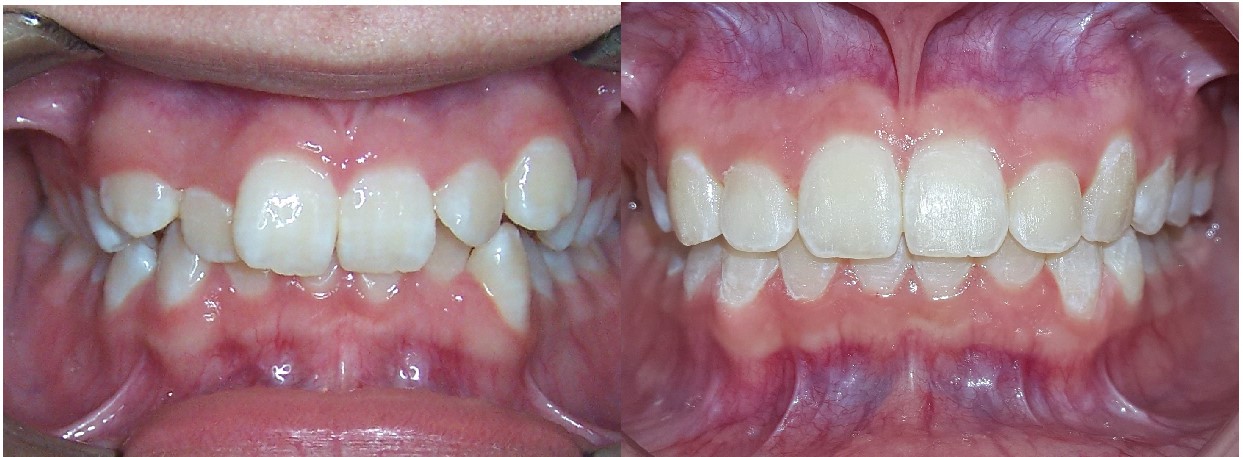
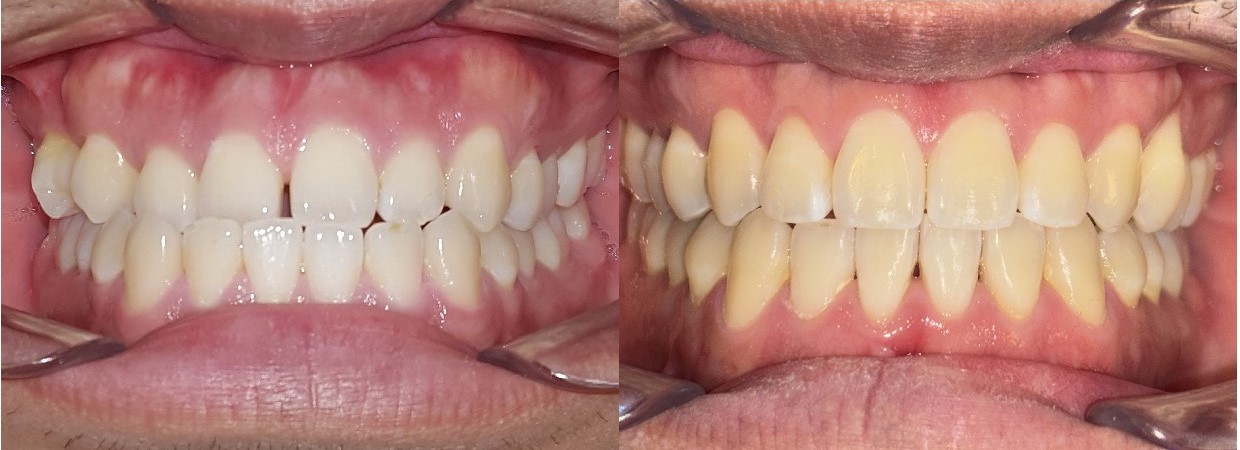
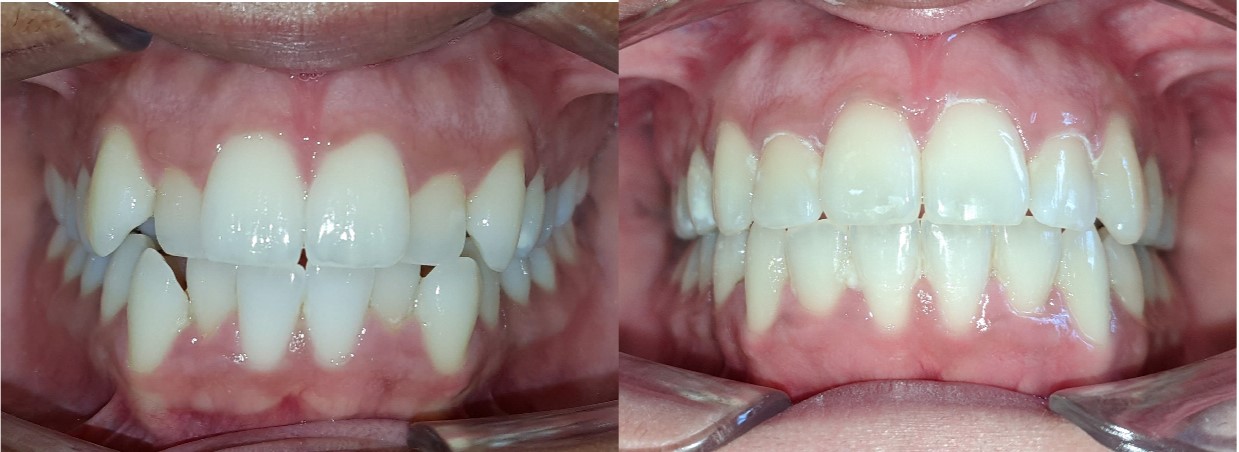
Real Breeze Orthodontics patients, before and after treatment.
BeforeAfter
BeforeAfter
BeforeAfter
Individual results vary. Photos shared with patient permission.
Panoramic X-ray (pano)One wide image of all the teeth, roots, and both jaws, including teeth still growing in and wisdom teeth.Cephalometric X-ray (ceph)A side view of the head that shows how the jaws line up, the angle of the teeth, and the airway.
Shared with patient permission, with personal details removed.
Breeze OrthodonticsWe usually reply within one business day
Hi! 👋 Have a question about braces, Invisalign, or your appointment? Send us a message and we'll email you back.